Menu
When & Why to Consider Concrete Resurfacing in North Miami
Concrete Resurfacing North Miami
Determine when you should consider concrete resurfacing as an option depends on two things: the current condition of your surface, and how well your property will hold up in the coastal environment of North Miami. Concrete resurfacing is generally much less expensive than replacing all or most of your surface, often providing homeowners with 50-70% savings in comparison to the cost of removing and reinstalling your entire surface. Timing can play a big role in making smart decisions about when to have your surface evaluated for resurfacing; when to evaluate your surface (depending on the level of damage it has experienced), when to schedule resurfacing based upon budget constraints, and what season of the year will be best to install your resurfaced surface to ensure that it will last long enough to provide you with a strong, functional, and visually appealing surface. By considering the above factors, property owners can make intelligent decisions that are the most beneficial to them and their property, which will result in the longest life span possible from the investment they made in their property. Smart decision-making regarding the state of your concrete will help determine if resurfacing will provide the long-term solution your property deserves.
Identifying When Your Concrete Needs Resurfacing
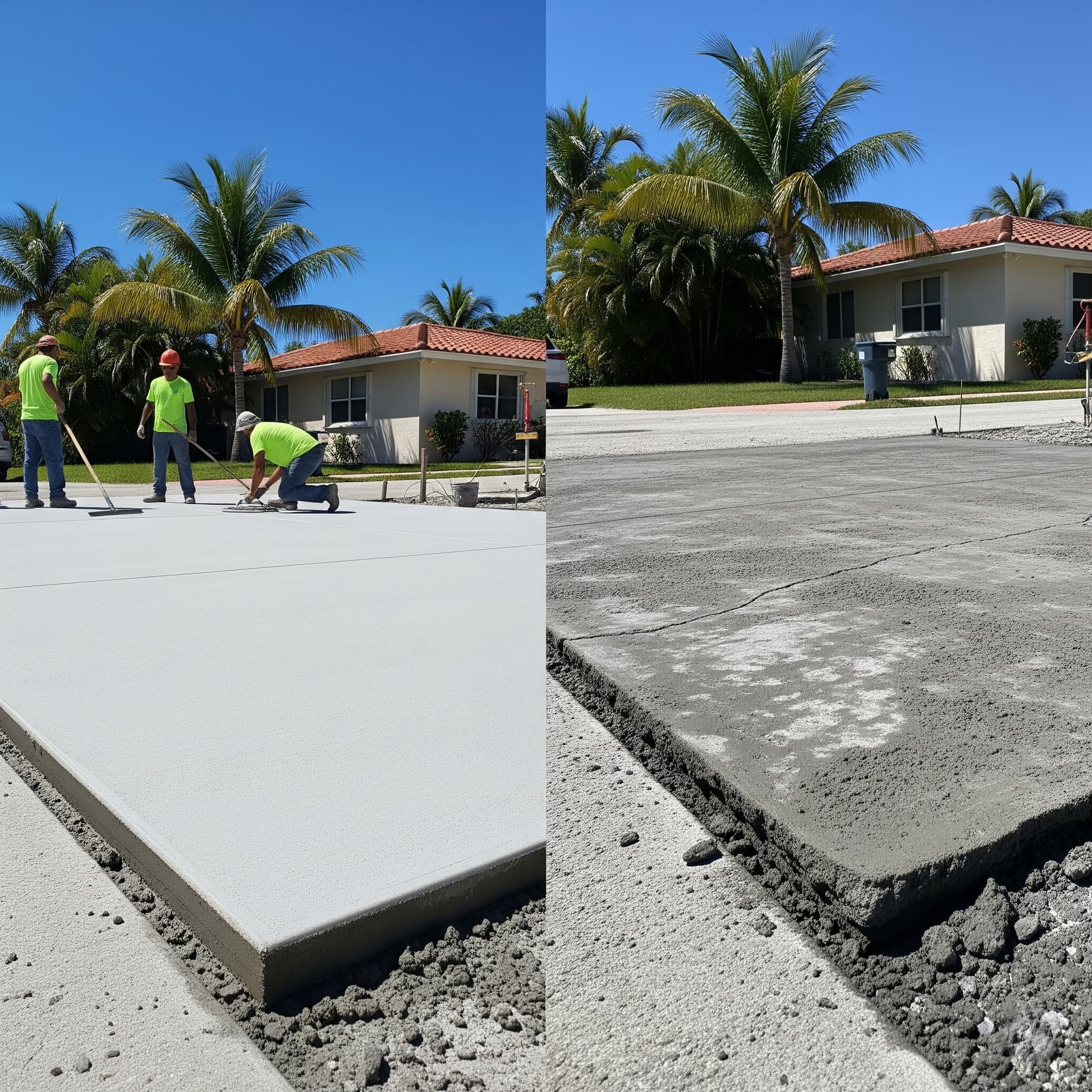
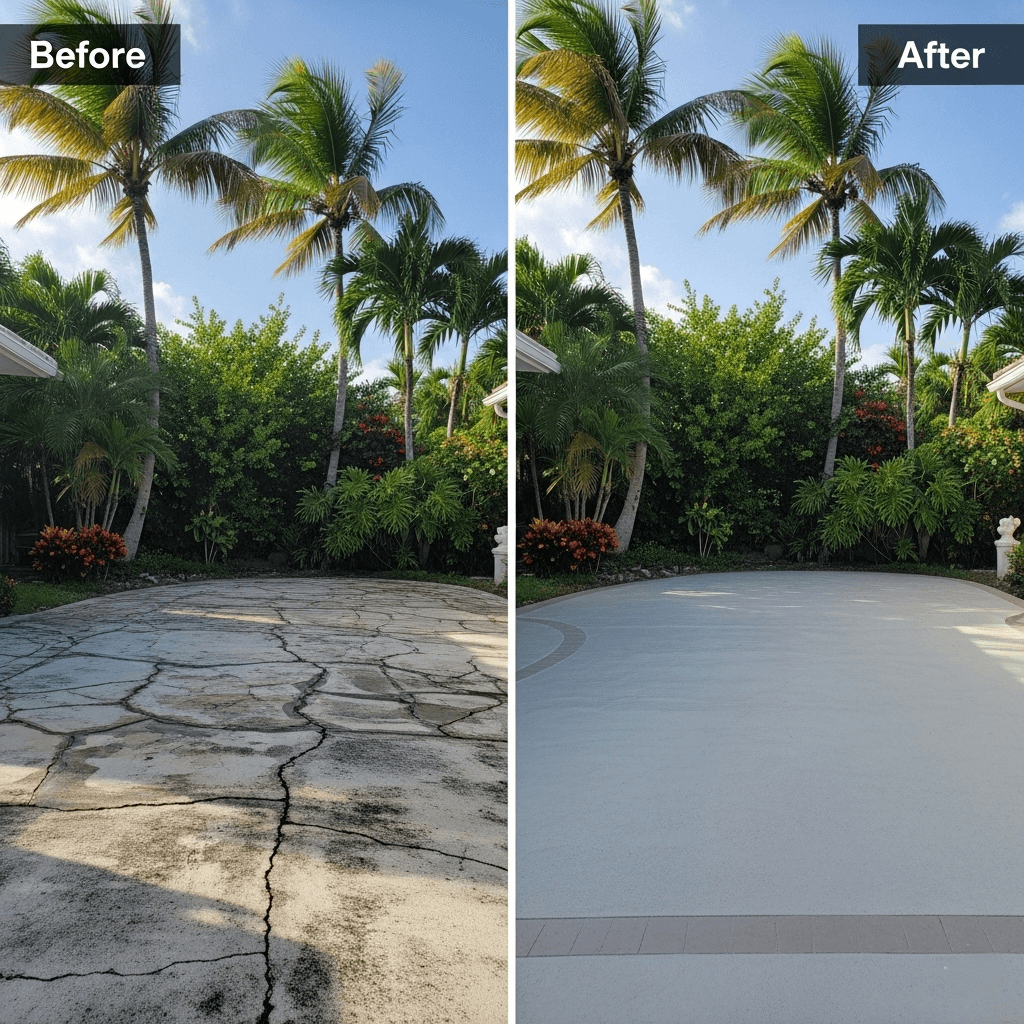
Concrete deterioration signs clearly indicate when resurfacing is needed as opposed to replacing the surface prematurely or simply repairing it. Surface crack patterns, surface discoloration, and minor surface scaling are all treatable with resurfacing processes. Larger structural damages will likely require a larger scope of repair and/or replacement.
Moderate-use areas with moderate to severe staining or aesthetic concerns can greatly benefit from resurfacing applications performed by professionals. The humid environment of North Miami’s coastal area, combined with salt air, accelerates the surface degradation of concrete, which leads to a weathered appearance of the surface, typically within 5–10 years after installation. Therefore, any surface that shows widespread small cracks (less than 1/4 inch wide), surface pitting, or color loss should be considered for resurfacing instead of being replaced. In addition, concrete that has suffered minor settlement or minor unevenness can usually be returned to its original function using resurfacing methods.
Determining the Extent of Damaged Concrete
A professional evaluation will determine if the extent of damaged concrete falls into a category that allows resurfacing or if there are other means to repair or replace the surface. Most concrete surfaces show fine cracks, surface wear patterns, and cosmetic imperfections that can be treated effectively using overlay systems. Deep structural cracks, excessive settlement, and/or spalled concrete indicate a possible issue with the base of the structure and would likely require replacement of the entire surface.
The environmental influences that occur in areas such as Oleta River State Park affect the stress placed upon concrete surfaces. An experienced contractor will consider these environmental elements when determining the best approach for restoring the surface. Assessing the damage before the project will help eliminate unnecessary costs and ensure that the resurfacing investment will meet its intended purpose for many years.
Resurfacing vs. Replacement Cost Comparison
Typically, resurfacing costs between $3–$7 per square foot, whereas replacing the surface costs between $20–$30 per square foot. For homeowners in North Miami, this represents considerable cost savings when considering a 400-square-foot patio. The total cost for resurfacing a 400-square-foot patio is approximately $1,200–$2,800, while the same-size patio would cost approximately $8,000–$12,000 to replace. As you can see, resurfacing presents a much more affordable option for homeowners who wish to improve their property.
In addition to saving money on the cost of the project itself, resurfacing eliminates the costs associated with demolition, disposal of the old surface, and the extensive site preparation typically required to install a new surface. Furthermore, most resurfacing projects take only one to three days to complete, whereas complete replacements can take anywhere from five to ten days. This shorter timeframe minimizes disruption to your daily routine, and in areas such as the established neighborhoods of Keystone Point, it also minimizes the construction impact upon surrounding properties and landscaping.
Long-Term Value of Resurfacing
Quality resurfacing can extend the useful life of the existing concrete surface for an additional 10–15 years and immediately improves the appearance of the surface. Many times, the properly applied resurfacing system can last longer than expected, especially when applied with consideration to the environmental conditions found in the area. Routine maintenance and periodic re-sealing will further optimize the investment made in the resurfacing of the surface.
For most homeowners, the increase in property value resulting from the resurfacing of a surface will typically recover 60–80% of the total investment in the form of increased curb appeal and functionality. In some cases, particularly in areas such as those surrounding the Museum of Contemporary Art, the increased value of the property may be even greater due to the high level of expectation for well-maintained surfaces found in the community.
When Is the Best Time for a Resurfacing Project?
Compared to areas of the country with cold winters, the year-round mild temperatures found in South Florida present numerous benefits and opportunities for scheduling and completing concrete resurfacing projects. While some seasons offer better conditions for installation and curing of the resurfacing system than others, understanding the timing considerations will assist in ensuring that the best results are achieved and that the project is completed successfully.
The dry season months (November to April) offer ideal conditions for resurfacing with low humidity and limited rainfall interference. However, due to peak construction activity and increased demand during these months, the costs of materials and labor may be higher, and scheduling may be less flexible. Resurfacing projects conducted during the off-season, during the summer months, may save money; however, the warmer temperatures will cause the curing of the resurfacing system to proceed more rapidly, and the contractor will need to apply special techniques and timing to ensure that the final product meets the desired standards.
Seasonal Considerations
During hurricane season (June–November), planning a resurfacing project must be carefully coordinated to accommodate potential weather-related interruptions that may affect the quality of the installation. Contractors experienced in working in hurricane-prone areas are aware of the potential for storms and have the ability to adapt to changing weather conditions. In addition, the extreme heat of the summer months reduces the rate of curing of the resurfacing system, and therefore, the contractor will need to adjust techniques and application timing to produce the best possible results.
Projects conducted during spring will be able to take advantage of pleasant temperatures and relatively low humidity while avoiding the risks associated with the active hurricane season. By conducting a project during the spring, the homeowner will be able to utilize the newly restored surface during the active outdoor living season. Neighborhoods such as Sans Souci Estates typically schedule their maintenance projects during the most favorable weather conditions to obtain the best possible results.
Concrete Types That Are Suitable for Resurfacing
Driveways are the most common types of concrete surfaces that are suitable for resurfacing. Driveways are subjected to traffic from vehicles and the effects of weather conditions. Concrete driveways that exhibit minor cracking, oil staining, or surface deterioration typically respond well to resurfacing. The resurfacing process restores the smooth surface of the driveway while addressing drainage and aesthetic concerns.
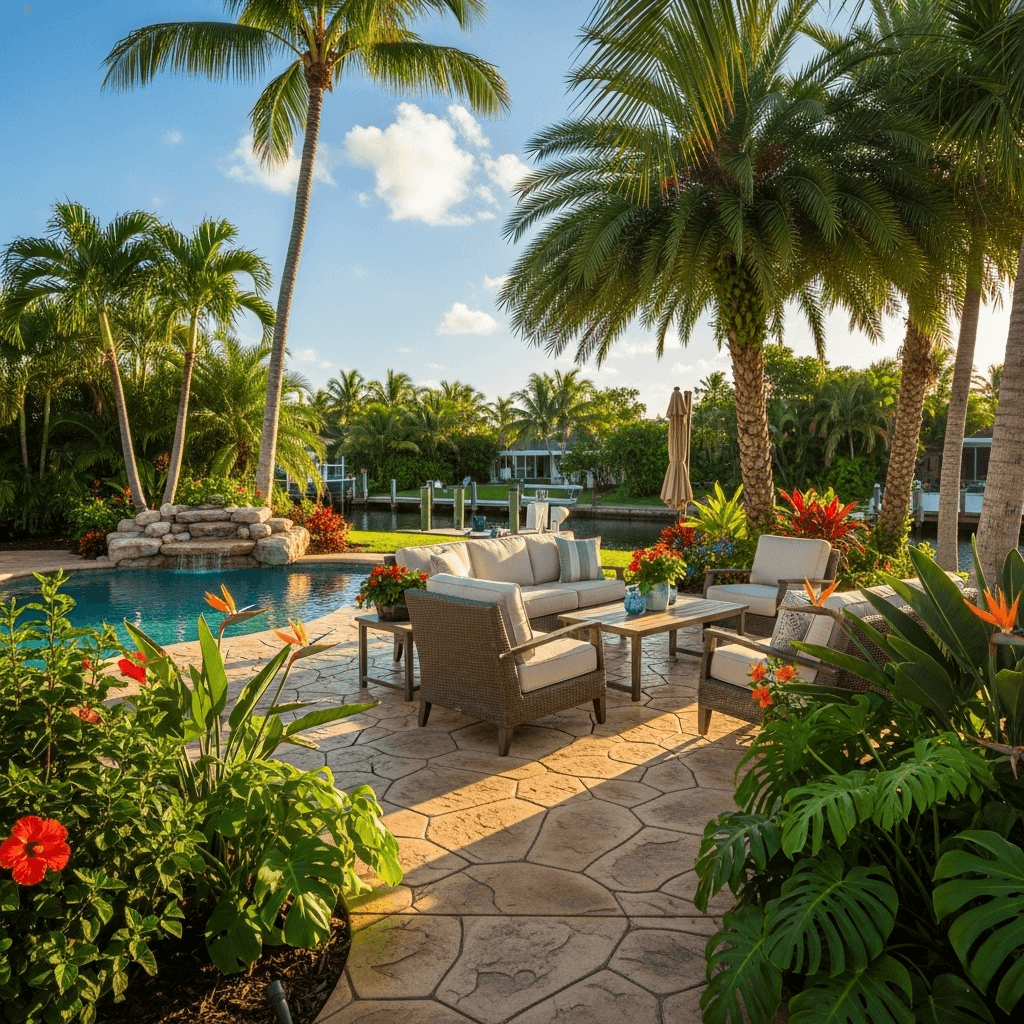
Concrete patios and pool decks also receive significant benefits from resurfacing treatments that provide slip resistance and visual appeal. Florida’s intense UV radiation causes the concrete surface to fade and develop rough textures, which resurfacing can restore to its former condition. Decorative overlays can transform plain concrete into attractive stone or tile patterns without the need for replacement.
Specialized Applications
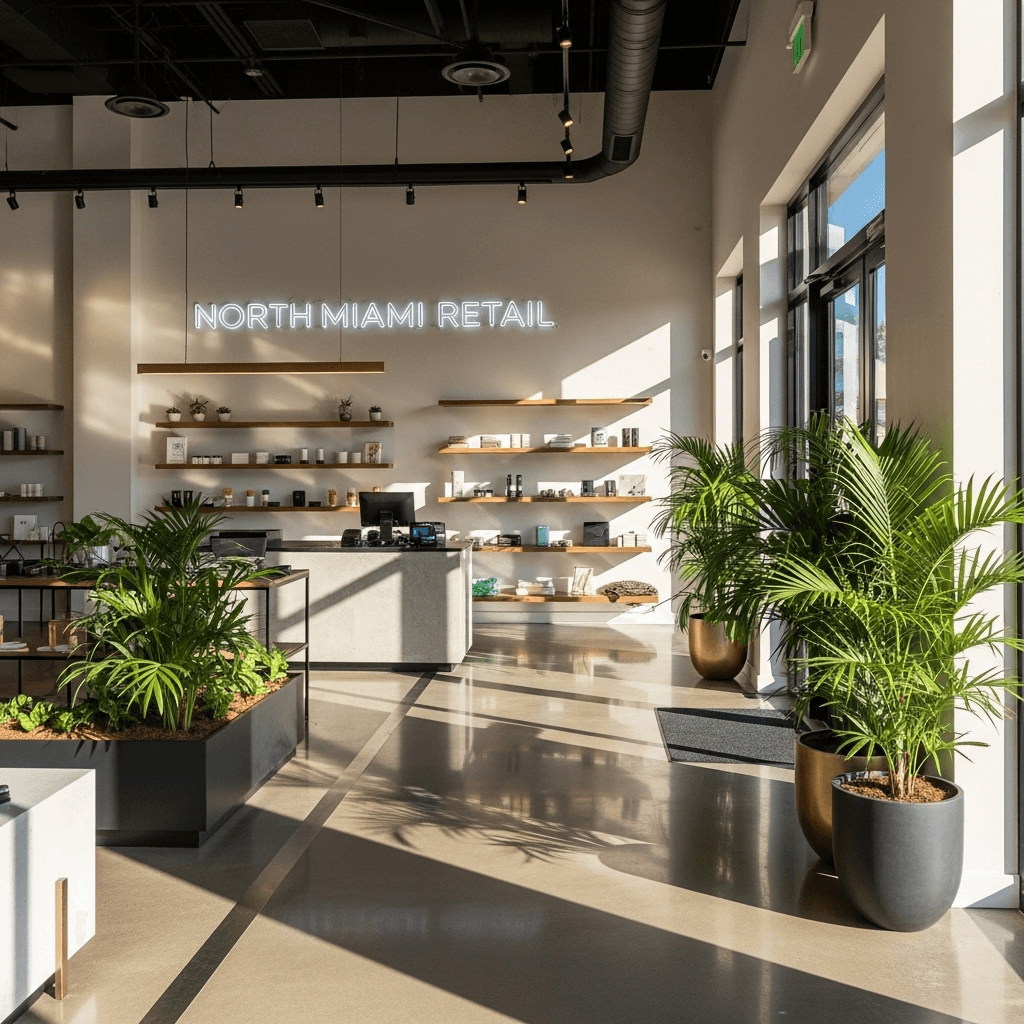
Concrete walkways and sidewalks that have been subject to surface wear but still retain their structural integrity can typically be economically restored using resurfacing. Commercial applications, such as parking lots and loading zones, that are subject to heavy traffic wear patterns can be economically restored using resurfacing. Garage floors and basement floors that have interior concrete surfaces can also be effectively restored using resurfacing treatments.
Pool decks located in areas such as Biscayne Bay require specialized resurfacing techniques to address the effects of salt exposure and constant moisture. The use of professional-grade materials and techniques in the resurfacing process will result in a long-lasting resurfacing solution.
Advantages of the North Miami Coastal Area’s Climate for Resurfacing
Florida’s year-round warm temperatures eliminate the freeze/thaw cycles that occur in colder climates, which can negatively impact the adhesion of the resurfacing system to the surface. The absence of temperature changes in the South Florida region allows for a resurfacing system to adhere uniformly and consistently to the surface. These climatic conditions create an ideal environment for the successful implementation of durable resurfacing systems.
However, the high humidity and salt air of the coastal area of North Miami present unique challenges to the successful completion of a resurfacing project. The use of polymer-modified overlays can address the negative impacts caused by the salt air and high humidity. These specialized overlays are designed to resist moisture intrusion while allowing the surface to “breathe” to minimize the risk of premature failure.
Adaptation to Environmental Conditions
Properties located in coastal areas of North Miami are exposed to salt air and heavy rainfall. The salt air can weaken the resurfacing system, while the heavy rainfall can challenge the adhesive qualities of the system. To mitigate these challenges, professional contractors select specialized materials that are specifically designed for use in the coastal areas of Florida.
The heavy rainfall events that occur during the summer months also pose a challenge to the adhesion of the resurfacing system to the surface. Professional contractors implement procedures to mitigate these risks and ensure the long-term durability of the resurfacing system.
Options for Materials Used in Resurfacing
Polymer-modified concrete overlays represent the most versatile and durable options available for resurfacing applications in South Florida. Compared to standard concrete mixtures, polymer-modified concrete overlays offer superior adhesion, flexibility, and resistance to weathering.
Available in a variety of thicknesses and textures, these polymer-modified overlays provide a wide range of options for addressing the varying surface conditions and aesthetic considerations of individual clients. Decorative overlays with stamped patterns, integral colors, and specialty finishes can be created to provide attractive alternatives to plain concrete while maintaining the cost benefits of replacement.
Advanced Coating Systems
Epoxy and polyurethane coatings provide specialized solutions for specific applications, such as garage floors and high-traffic areas. These coating systems provide chemical resistance, ease of maintenance, and extended durability, particularly beneficial for commercial applications. However, due to the specialized nature of these coatings, they require precise surface preparation and expert application techniques to achieve optimal performance.
Acrylic-based coatings provide a cost-effective alternative for addressing the basic resurfacing needs of clients while providing good UV resistance and color retention. These coatings are suitable for residential patios and walkways that do not require a high-performance level of resurfacing.
Considerations for Professional vs. DIY Resurfacing
While the decision to perform a DIY resurfacing project may appear to be cost-effective initially, the lack of proper surface preparation, incorrect material mixing, and poor application techniques will ultimately lead to a failed resurfacing project. In South Florida, the high humidity and heat exacerbate the challenges faced by DIY applicants. Typically, the cost of hiring a professional contractor far outweighs the added expense of having the contractor perform the resurfacing project.
Additionally, professional contractors have developed a wealth of knowledge regarding the unique challenges posed by South Florida’s climate and have developed specialized techniques and procedures for addressing these challenges. In many cases, the added cost of hiring a professional contractor is justified by the superior results and durability of the finished project.
Factors Contributing to Quality of Resurfacing
Professional contractors provide a comprehensive assessment of the surface to be resurfaced, perform any necessary repairs to the surface, and choose the appropriate materials based on the surface characteristics and environmental conditions. Professional contractors also ensure that the resurfacing system is properly cured and that the finishing techniques employed ensure a professional-quality finish that is difficult for DIY applicants to achieve. Both the appearance and performance of the resurfacing system are impacted by the quality of the installation.
Professional contractors also provide warranty coverage for their resurfacing projects, which provides homeowners with assurance that any potential issues that arise with the resurfacing system will be addressed promptly. Professional contractors also establish relationships with the manufacturers of the materials used in the resurfacing project, which provides them with access to technical assistance and support as needed.
Maintenance and Longevity Expectations for Resurfacing Systems
Under normal circumstances, a professionally installed resurfacing system can expect to last 8–15 years in South Florida’s climate, assuming that regular maintenance is performed. Cleaning the surface regularly, removing any stains quickly, and re-sealing the surface periodically will help extend the lifespan of the resurfacing system. Periodic inspections will identify any potential issues early on, thus preventing them from becoming major problems that may necessitate more extensive repairs.
The amount of maintenance required to maintain a resurfacing system varies depending on the type of resurfacing system installed and the conditions under which the system is operated. Decorative systems may require more frequent sealing to maintain the color and pattern of the decorative elements, while basic resurfacing systems typically require little to no ongoing maintenance.
Optimizing the Performance of Resurfacing Systems
Regular maintenance of the resurfacing system, including the elimination of standing water and the removal of salt deposits and organic growth, will significantly extend the lifespan and appearance of the resurfacing system. In addition, regular maintenance will help prevent damage to the resurfacing system that may occur due to the presence of water.
Sealing schedules for resurfacing systems vary depending on the conditions under which the system operates. Sealing may be required annually for high-traffic areas, while sealer application may only be necessary every 3–5 years for surfaces that are protected from the elements. Professional maintenance services will ensure that the resurfacing system receives the proper sealant applications at the right time to protect the system.
Deciding Upon Resurfacing
Homeowners should evaluate their current surface conditions, budget limitations, and plans for their property when deciding upon resurfacing. Most homes with moderate surface wear but still structurally intact will benefit from professional resurfacing. The investment in resurfacing will pay dividends in terms of improved functionality, aesthetic appearance, and increased property value.
Resurfacing should be considered when repair costs become too great or when the aesthetic appearance of the surface detracts from the overall appearance of the property. Taking action to repair the surface early on will often help to avoid more costly problems down the road while delivering dramatic improvements in curb appeal and usability.
Properties throughout neighborhoods like Biscayne Highlands will benefit from proactive maintenance, preserving and enhancing their investment.
At North Miami Concrete Pros, we specialize in assessing the condition of concrete surfaces and recommending the most effective resurfacing solutions for the unique climatic and environmental conditions found in South Florida. With years of experience in managing the challenges of South Florida, our team of experts is committed to ensuring that each of our clients’ resurfacing projects delivers value and performance that will continue to enhance their property for years to come.
LATEST POSTS